Coffee bean shortages are becoming more noticeable with every café visit and grocery run, and they’re not happening by accident. Climate shifts, supply chain strain, and growing global demand are converging at the same time. As these pressures overlap, global availability tightens and volatility increases. For many farmers, maintaining consistent yields is more difficult than it was even a decade ago. That’s why today’s coffee bean shortages point to long-term structural challenges, not temporary disruptions.

Why coffee prices are rising in the US
In the US, coffee bean shortages move quickly from farms to storefronts, affecting prices almost immediately. As beans become harder to source, importers face higher costs before coffee even reaches roasters. Transportation delays and rising labor expenses compound those challenges. Each added cost builds along the supply chain. By the time coffee reaches consumers, higher prices are already baked in.

Starbucks price increases reflect industry pressure
Starbucks price increases (64% compared to June 2020) reflect just how widespread these pressures have become. The brand relies heavily on arabica beans, which are increasingly difficult to secure consistently. Drought conditions and unpredictable harvests reduce supply year after year. To offset rising input costs, large chains often adjust menu prices. Consumers tend to notice these changes most at familiar brands like Starbucks.

How drought conditions worsen coffee shortages
Drought conditions play a central role in today’s coffee bean shortages. When water becomes scarce, yields drop, and bean quality suffers. Major growing regions such as Brazil and Vietnam depend on stable rainfall to support healthy coffee plants. Those losses don’t stay local for long and quickly ripple through global markets. As a result, responsible coffee cultivation now must adapt to harsher and less predictable climates.

The role of Fair Trade and organic coffee
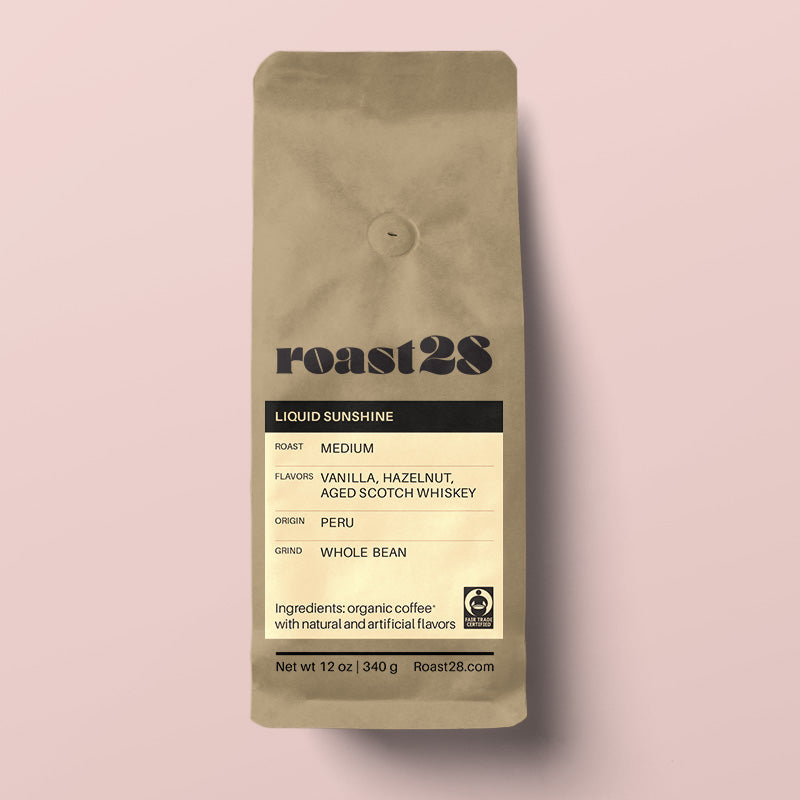
Fair Trade and organic coffee offer a more resilient path forward during uncertain times. Certified organic blends support sustainable farming practices that protect soil health and water access. Farmers focused on responsible coffee cultivation often build stronger long-term systems. These approaches reduce vulnerability to extreme weather and market shocks. Over time, they help stabilize supply despite ongoing coffee bean shortages.

How Roast28 is keeping prices accessible
At Roast28, coffee bean shortages influence how we plan, source, and roast with intention. By focusing on Fair Trade and organic coffee, we manage costs more carefully from the start. We partner closely with producers who prioritize sustainable farming practices and long-term resilience. Our certified organic blends help us maintain consistency even when markets fluctuate. In 2026, that approach allowed us to limit price increases to just 16.7 percent. By staying committed to quality, transparency, and responsible sourcing, Roast28 delivers exceptional coffee you can trust at prices that remain fair and thoughtful.